
Home / Encapsulation
Crawl space encapsulation in the Jackson area
Encapsulation seals the crawl space off from the ground and outside air, then keeps the air inside it dry. In the Jackson metro, it is one of the best tools for humidity, and it should be planned with soil movement in mind.
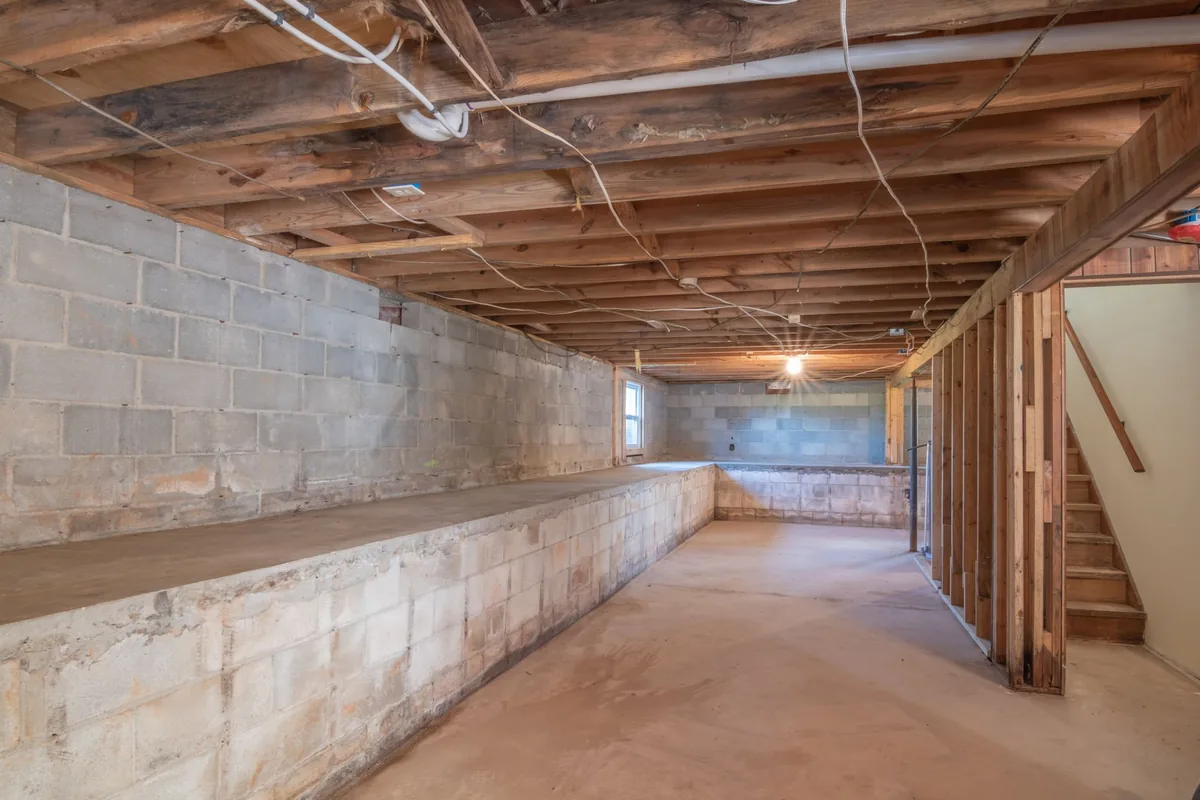
A vented crawl space works on the idea that outside air will dry the space under the floor. In central Mississippi, the outside air is humid for much of the year. When it comes under the house and cools, the moisture in it condenses on joists, subfloor, and ducts. Encapsulation reverses the approach: block the outside air, cover the ground, and dry what is left.
What a sealed system includes
- A water plan. Any water that gets into the space after rain is dealt with first, with grading, gutters, or an interior drain and sump.
- Cleanup. Old plastic, debris, and wet or moldy insulation removed; damaged wood repaired or treated.
- A ground and wall liner. A durable liner over the soil, carried up the foundation walls, sealed at the seams and fastened at the top.
- Sealed openings. Vents closed and the crawl space door sealed, with gaps around pipes and wiring filled.
- Humidity control. A crawl space dehumidifier or conditioned air from the HVAC system, with a plan for where the collected water goes.
How it fits with clay that moves
Encapsulation does not stop expansive clay from swelling and shrinking, and nobody should sell it that way. What it can do is keep the space under the house drier and more stable, cut down on rot and mold, and protect ductwork. Some contractors argue that keeping the soil surface covered helps even out moisture under the house; others are more cautious. Ask yours how they think about it, and be wary of any promise that a liner will "fix" foundation movement.
A practical point: if piers are going to be adjusted or re-shimmed in the future, the liner should be installed so that work is possible. Ask how they detail the liner around piers and whether it can be opened and resealed.
When encapsulation is a good fit
- Musty air in the house, especially when the air conditioner runs
- Wood moisture readings that stay high
- Ductwork or pipes sweating in summer
- Insulation falling from the floor because it got wet
- A plan to stay in the house long term
What a good quote spells out
- Liner product, thickness, and wall coverage
- Seam tape, fasteners, and how the top edge is sealed
- Vents and door treatment
- Dehumidifier make and model, sizing, and drain route
- Drainage work included or excluded
- Cleanup, insulation removal, and any wood repair
- Warranty terms, including what happens if piers need adjustment later
If there is a gas furnace or water heater in the crawl space, sealing it changes how that equipment gets combustion air. Ask the contractor how they will handle it safely and within code.
Typical price ranges are in the cost guide. To have a contractor look, get matched or call (601) 000-0000.
Have a contractor check what is under your floor
One request is all it takes. We will pass it to an independent crawl space contractor serving Hinds, Madison, and Rankin counties.