
Home / Drainage
Crawl space drainage and waterproofing
Around Jackson, getting water away from the house does two jobs. It keeps the crawl space drier, and it helps keep moisture in the clay under the foundation more even, which can reduce movement.
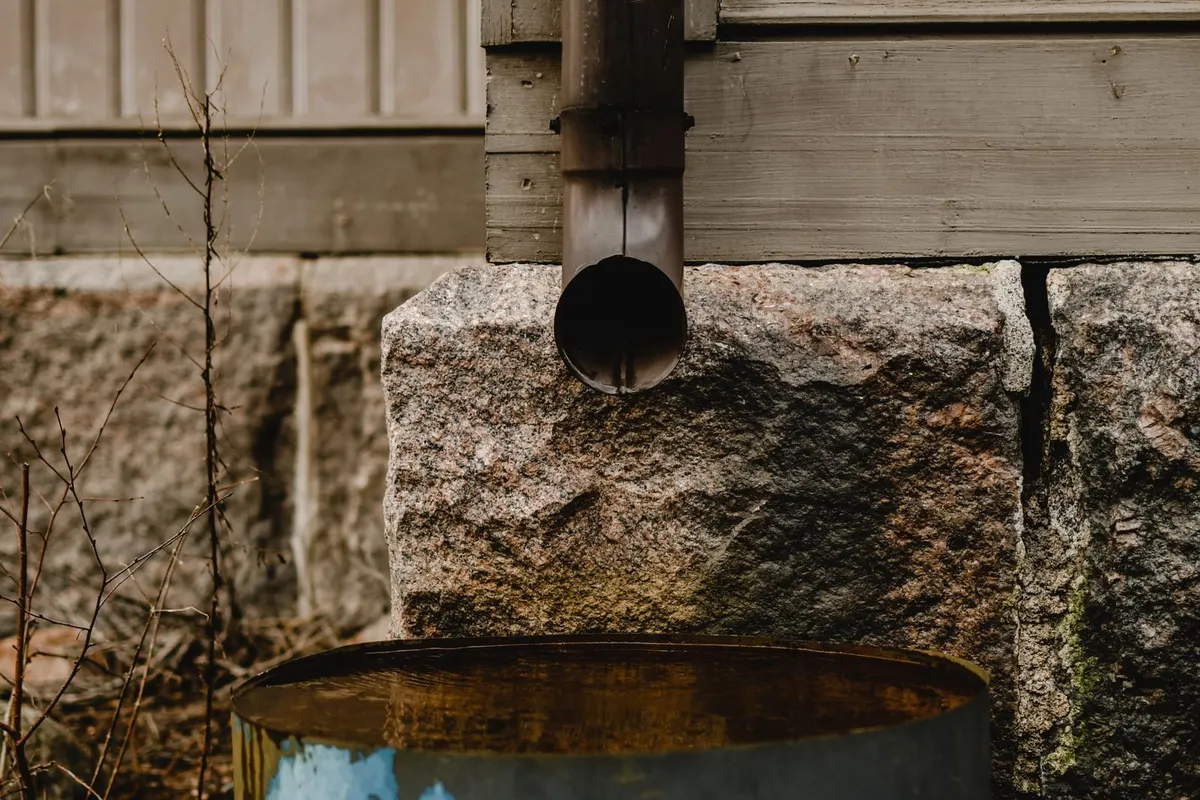
The Mississippi Office of Geology points out that clay has low permeability: water does not soak through it easily, except through cracks and root holes. In practice, that means rain that lands next to a foundation tends to stay near the surface or run along the top of the clay, and the soil near the house stays wetter than soil out in the yard. Water that collects by the foundation is a problem for the crawl space and for the clay under it.
Outside fixes come first
- Gutters that stay clear. In a metro with this many trees, gutters clog. When they overflow, water falls straight down beside the foundation.
- Downspouts carried away. Mississippi State University research on Yazoo Clay notes that clay swells more under a waterspout than in other places around a house. Extensions or buried lines that move that water well away from the foundation are a small job with a real payoff.
- Grading. Soil next to the house should slope away from it. Beds edged up against the foundation and settled fill often slope the wrong way.
- Consistent moisture. Some engineers also suggest avoiding big swings in soil moisture around a foundation, such as deep drying next to the house in a drought. Ask a contractor or engineer what makes sense for your lot.
Inside the crawl space
- Interior drain. Perforated pipe in gravel along the inside of the foundation, sloped to a low point.
- Sump basin and pump. Collects the water and pumps it out through a discharge line that should end well away from the house.
- Liner over the drain. In a sealed crawl space, water travels under the liner to the sump.
Exterior French drains
On some lots, a drain along the uphill side of the house intercepts water before it reaches the foundation. Whether that is a good idea depends on the slope, where the water can be sent, and what is underground. Ask the contractor to explain the path the water will take from start to finish.
Questions to ask
- Where exactly is the water coming from?
- What can be fixed outside before adding a pump?
- Where will the discharge end, and is that on my property?
- What happens if the power goes out during a storm?
- How will this work with any future pier adjustment?
Read about repair and leveling, or get matched with a contractor. You can also call (601) 000-0000.
Have a contractor check what is under your floor
One request is all it takes. We will pass it to an independent crawl space contractor serving Hinds, Madison, and Rankin counties.