
Home / Mold & moisture
Crawl space mold, rot, and moisture
High humidity, damp clay, and wood framing are a combination that mold and rot like. The good news is that moisture can be controlled. Finding the source is the first step.
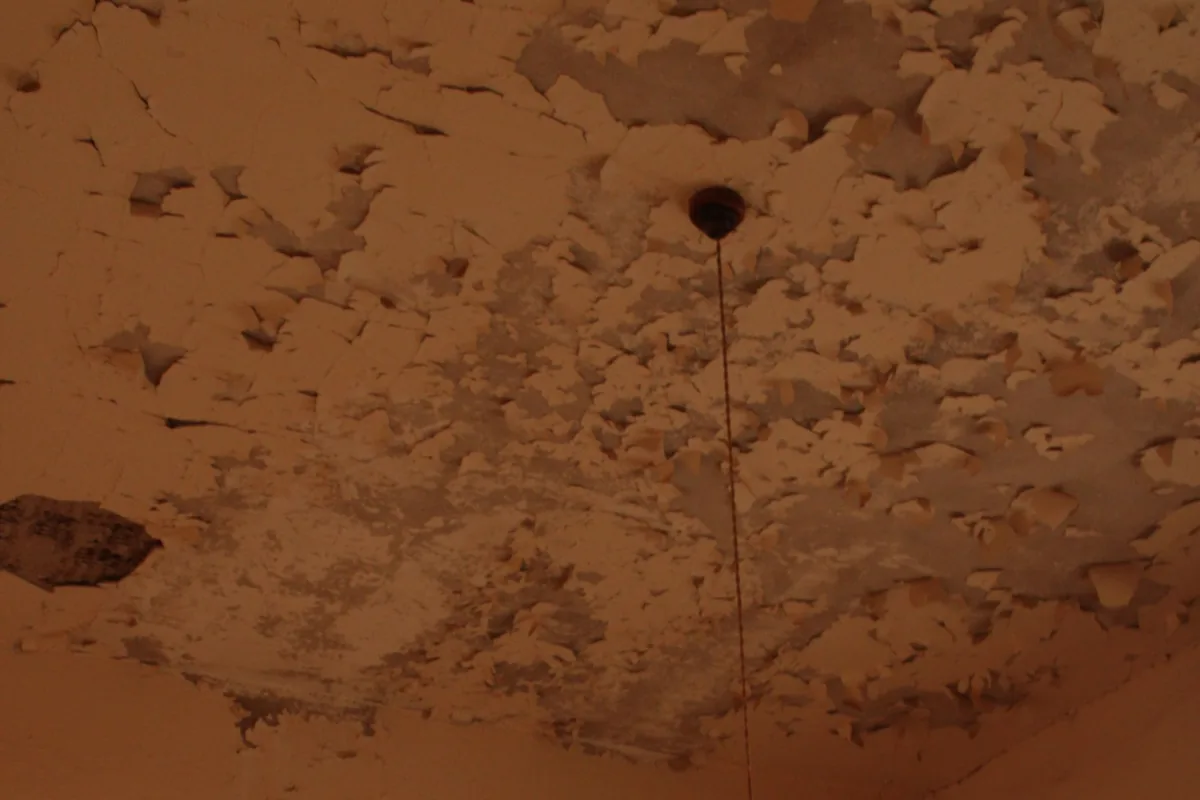
In a crawl space, moisture usually comes from one of three places: liquid water that runs in after rain, vapor rising out of the soil, or humid outside air coming through the vents. Leaky plumbing is a fourth. Each one leaves clues, and each one has a different fix. That is why a good inspection spends time on the cause, not just the stains.
Clues under the house
- Dark staining or fuzzy growth on joists, beams, or the underside of the floor
- Wood that is soft when probed, especially near the sill or under bathrooms
- Wet or sagging insulation, or insulation on the ground
- Drops of water on ducts or pipes in summer
- Silt lines or puddles on the soil
- Termite tubes or other insect activity, which moisture can attract
Clues in the house
- A musty or earthy smell, often worse when the AC is running
- Wood floors that cup or gap
- Soft spots in the floor
- Higher indoor humidity than you would expect
Moisture or movement?
In this area, some signs overlap. Sticking doors and sloping floors can come from damp, weakened framing, or from piers moving with the clay. Cracks in drywall are more often movement. A contractor should be able to tell you which they think it is, and why. If they are not sure, an engineer can help.
What a contractor cannot tell you
Crawl space contractors can measure moisture, document visible growth, and fix the conditions that let it grow. Most are not qualified to identify mold species or speak to health effects. If anyone in the house has symptoms or health concerns, talk to a medical professional. An independent indoor environmental professional can test if testing is warranted. We cannot diagnose mold or health issues on this site.
A typical sequence
- Stop the water source: leak, runoff, or open vents.
- Remove damaged insulation and debris.
- Repair or replace rotted wood.
- Clean or treat affected framing if recommended.
- Seal and dry the space so it does not come back.
For neutral background, see the EPA's A Brief Guide to Mold, Moisture, and Your Home. To have a contractor inspect, get matched or call (601) 000-0000.
Have a contractor check what is under your floor
One request is all it takes. We will pass it to an independent crawl space contractor serving Hinds, Madison, and Rankin counties.